
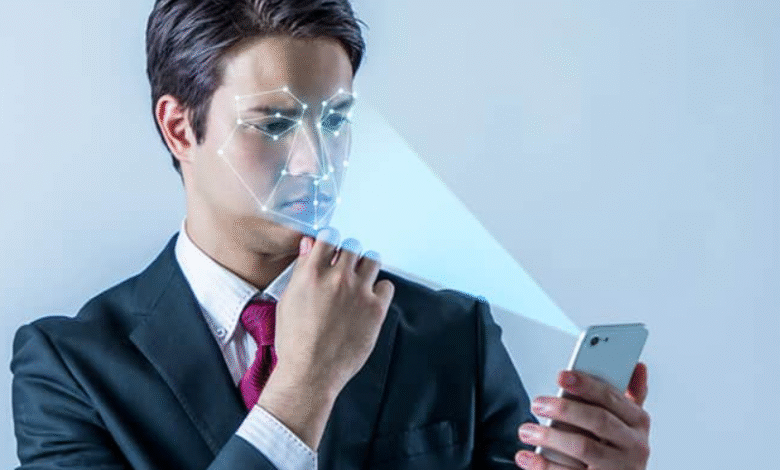
Biometric security leverages unique physiological or behavioral traits to authenticate user identity. This technology analyzes characteristics such as fingerprints, facial recognition, and voice patterns, offering enhanced security compared to traditional methods. As biometric systems evolve, they address critical privacy concerns while improving user experience across various applications. However, the implementation of biometric security is not without its challenges. Understanding these complexities is essential for evaluating its effectiveness and potential risks.
How Biometric Security Works
Biometric security systems utilize unique physiological or behavioral characteristics to authenticate individuals, ensuring a high level of security.
Fingerprint recognition analyzes the distinct patterns of ridges and valleys on fingers, while facial recognition employs algorithms to map facial features.
These technologies rely on advanced sensors and databases to perform real-time identification, providing a robust method for safeguarding personal and organizational data against unauthorized access.
See also: What Is a Supercomputer?
Advantages of Biometric Security
The use of biometric security systems offers several notable advantages over traditional authentication methods. Primarily, they enhance user authentication by relying on unique physiological traits, reducing the risk of unauthorized access.
Additionally, biometric systems can address privacy concerns by minimizing the need for passwords and personal identification numbers, which are often vulnerable to theft. This shift promotes a more secure and user-friendly authentication experience.
Challenges and Limitations of Biometric Security
While biometric security systems offer significant advantages, they also face several challenges and limitations that must be addressed to ensure their effectiveness.
Privacy concerns arise from the potential misuse of biometric data, while technology limitations, such as inaccuracies in recognition systems and vulnerabilities to spoofing, hinder reliability.
Addressing these issues is crucial for fostering trust and maximizing the benefits of biometric security in various applications.
Conclusion
In an era where passwords are often forgotten or compromised, biometric security emerges as the savior of identity verification. Ironically, while it champions convenience and enhanced protection against unauthorized access, it also invites its own set of vulnerabilities, such as privacy concerns and potential misuse of personal data. Thus, the very technology designed to safeguard individuals may inadvertently become a double-edged sword, reminding users that even their most unique traits can be exploited in the digital landscape.


